Neuro-Tools for Tackling Discriminationfor teams and individuals
Almost nobody discriminates on purpose.
But unconscious bias training won’t fix that. Understanding how our brains work will — so we can forgive ourselves and others. We’re all human, with different back stories. This programme helps you manage yours, more safely.
Built from senseia’s culture and inclusion work with police and fire and rescue services, including practice published by the College of Policing.
- Who it’s for
- Teams and individuals, wherever decisions about people are made
- Format
- One facilitated day in person, with a short pre-session survey
- Follow-up
- Optional coaching or team check-in; a 30-day integration framework
- Group size
- Up to 20; cohorts of 8–12 recommended
- Cost
- By proposal, once we’ve agreed scope
The problem
Discrimination is rarely a decision. That’s what makes it so hard to stop.
The situation
A brain built on shortcuts
- The brain predicts people from past experience, not from evidence
- Under pressure, it reaches for the shortcut, not the fair answer
- Familiar feels safer; difference registers as risk
- Fear of saying the wrong thing closes conversations down
- Blame and shame drive the whole subject underground
The impact
Unfair outcomes nobody chose
- The same voices heard in meetings; others talked over or overlooked
- Careers that stall for people who are performing
- Concerns that surface late, as grievances: adversarial and costly
- Trust eroding between colleagues, and with the people you serve
- The people on the receiving end carrying threat-level stress every day
Very few people set out to treat a colleague unfairly.
Most discrimination starts in the brain’s prediction system, not in anyone’s values: snap judgements assembled from each person’s own back story, made before conscious thought has a say. This isn’t an awareness session. It works on the patterns actually in play — without blame, without shame, and with full responsibility for what happens next.
Who it’s for
For anyone whose judgement shapes someone else’s day.
Teams and individuals who hire, promote, allocate, appraise or serve the public — and teams that want to rebuild trust where unfairness has already surfaced. Especially relevant to public and emergency services; works in any large organisation.
The settings
- Teams where a survey, review or complaint has raised concerns
- Recruitment, promotion and selection panels
- Frontline, public-facing services
- Teams that simply want fairer everyday decisions
The people
- Whole teams, with their manager
- Leaders and managers who decide who gets what
- Individuals who want to understand their own shortcuts
- HR, OD and inclusion leads
The programme is an intervention, not an investigation or a disciplinary process. It works alongside your formal HR and ED&I processes, not in place of them.
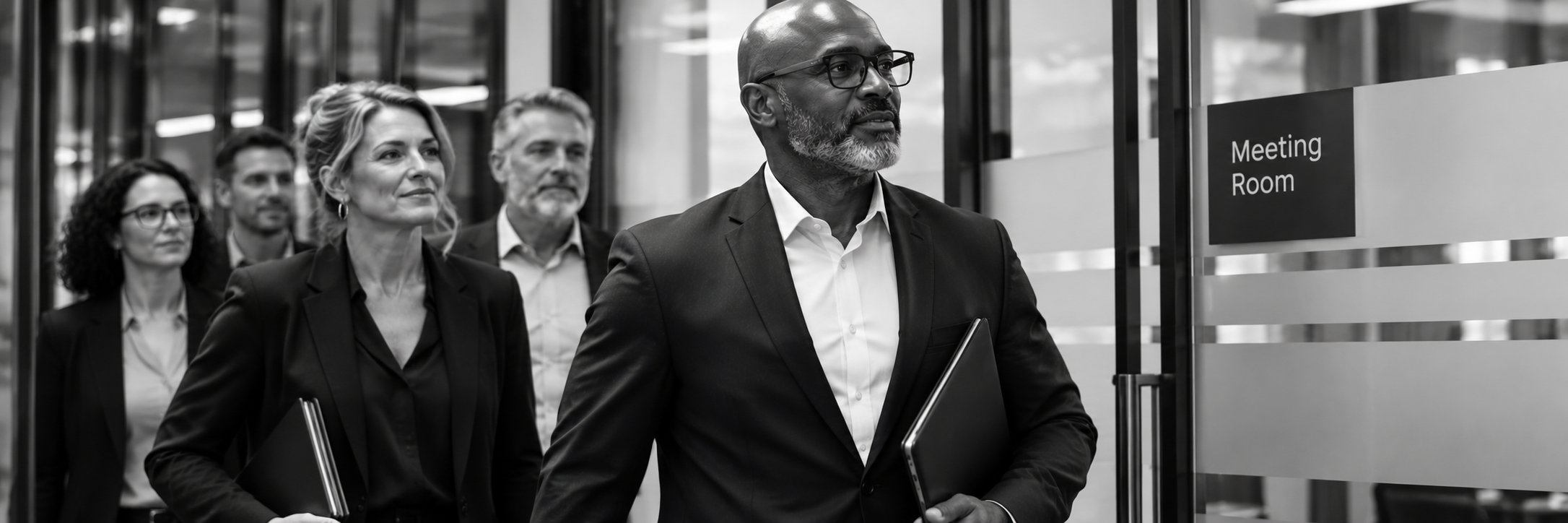
Bias doesn’t announce itself. It quietly decides who gets heard.
Outcomes
Fairer judgement, without the fear.
What this programme is designed to change, for your people and for the people they serve.
Good for your people
- Noticing before acting. They catch their own shortcuts in the moment, and have language to name them.
- Conversations that repair. Bias can be raised, owned and put right without blame or shame.
- Plans that hold. Insight becomes concrete, owned commitments for the next 90 days.
Good for your organisation
- Fairer decisions where they matter most: meetings, selection, workload and feedback
- Concerns surfaced earlier, before they harden into grievances
- A shared language for difference that doesn’t shut people down
- Measures agreed at the start, using data you already collect
The programme
Four tools. One fairer way to decide.
The programme is built around four steps. Each builds on the last, moving from insight to practised change.
01 · SSenseConnect brain, mind and body+
You can’t interrupt a shortcut you can’t see. Using senseia Neuroscience 101, participants explore how the brain predicts people from past experience — and learn to recognise the moment a snap judgement arrives, before it becomes an action.
Participants learn to
- Recognise how prediction and threat shape judgements about people
- Spot their own bias signals in the moment
Draws on: senseia Neuroscience 101 · The brain’s prediction and threat systems
02 · SScaleAssess the cost to people and purpose+
Not all bias lands equally. The scale matters. Participants assess where unfair patterns show up in their own work — meetings, selection, workload, feedback — and what they cost performance, trust and the people affected.
Participants learn to
- Map where bias is most likely in their own decisions
- Name what is being lost, in careers and in care
Draws on: Structured impact review · Your own workforce data
03 · SSustainBuild what holds+
Forgiveness isn’t a let-off. It’s what makes responsibility possible. Participants practise interrupting shortcuts and repairing moments that went wrong — in context, without blame or shame, so the learning survives contact with real work.
Participants learn to
- Interrupt a snap judgement and choose again
- Hold repair conversations that rebuild trust
Draws on: Psychodynamic communication · Brief coaching
04 · PPlanOwn what comes next+
A plan made in the room is more likely to hold than one made after it. Every participant leaves with a personal or team plan, specific to their role, their decisions and their next 90 days.
Participants learn to
- Turn insight into sustained behavioural commitments
- Identify their risk moments and the response to practise
Draws on: Motivational interviewing · Brief coaching
What’s included
From the five-minute survey to the 30-day framework.
- Before
- A short pre-session survey (about five minutes) to calibrate content to your team’s decisions and pressures
- On the day
- One facilitated day in person, experiential and practised in context
- Materials
- A personal bias-signal toolkit for every participant
- After
- A 30-day integration framework; optional follow-up coaching or team check-in
- Make it yours
- Optional additions: a senior team session, team coaching, a cultural audit where concerns run deeper
- Who delivers
- Accredited clinical professionals, including a BACP-accredited psychotherapist and an Association for Coaching-accredited coach

The brain makes its mind up early. The work is noticing, and choosing again.
Evidence
Tested where fairness faces the sharpest scrutiny.
senseia’s cultural audit and inclusive leadership work with Devon and Cornwall Police — a cultural change programme focusing on fairness — is published by the College of Policing as practice for other forces to learn from. Read the practice page →
The tools in this programme run through all of senseia’s work, with police and fire and rescue services, councils, regulators and large private organisations, over more than thirteen years. See our impact by sector →
Common questions
Before you commission.
Is this unconscious bias training?+
No. Awareness alone rarely changes behaviour, which is why many organisations have stepped back from standalone bias training. This programme works on the brain mechanisms that produce snap judgements, gives people practice at interrupting them in real situations, and ends with a specific plan for the next 90 days.
Will anyone be blamed or singled out?+
No. The programme runs on senseia’s founding principle: no blame, no shame, full responsibility. It is not an investigation, and nobody’s past decisions are put on trial. People own their shortcuts because it is safe to do so — that is what makes change possible.
How do you measure whether it made a difference?+
We agree measures with you at the start, using data you already collect where possible: staff survey items on fairness and inclusion, grievance and casework patterns, or selection and progression data. The 30-day framework and optional check-in test whether the plans are holding.
Can we buy it through a public sector framework?+
Cost is by proposal, once scope is agreed. senseia has qualified for the RM6219 Training and Learning for the Public Sector dynamic purchasing system and is completing the final stage of appointment; in the meantime we work through your usual procurement routes.
Start with a conversation
What would change if every decision in your organisation felt fair?
Overlooked people. Guarded conversations. Patterns nobody will name. Tell us what’s happening, and we’ll discuss what neuroscience can change about it.
Talk to us about this programme


