staihuman.

Artificial intelligence.
Human judgement.

A programme that helps leaders and teams understand what drives human decisions, so they can lead people well as AI changes how work gets done. It combines self-paced online learning with live, facilitated sessions.

THE STAIHUMAN WHEELSENSEIA
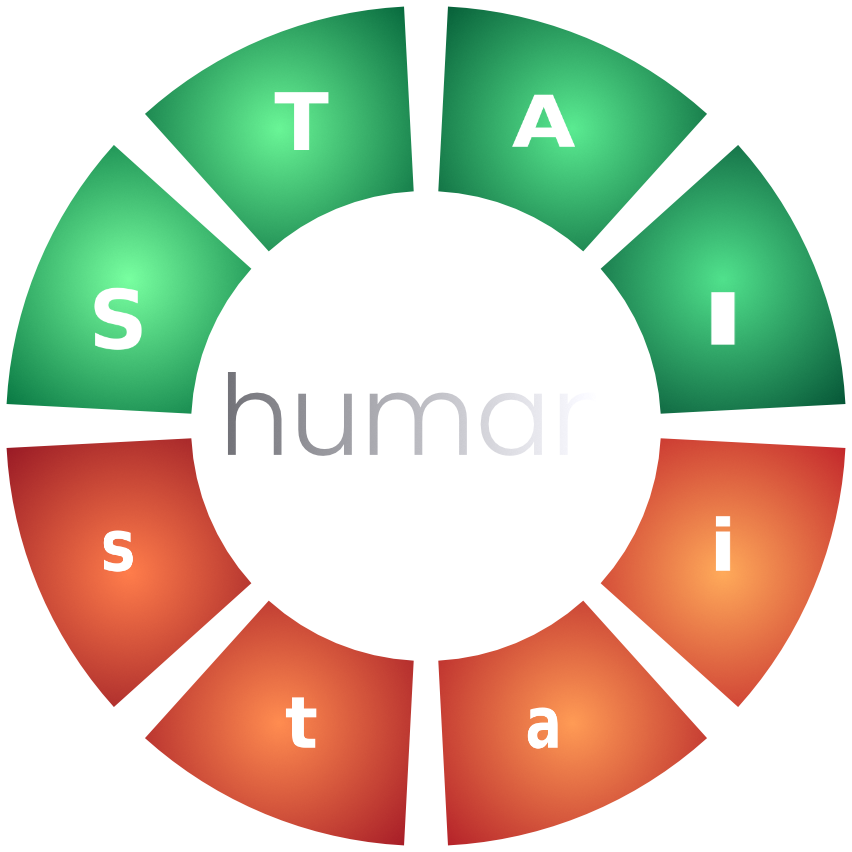
The staihuman wheel: STAI (Structure, Transition, Agency, Imagination) in green above; stai (stimulation, training, attachment, interpretation) in red below; human at the centre.
STAI: capacitiesstai: formative forcesWhat shaped us drives how we decide. Seeing it is what gives people back their judgement.
  • Self-paced online modules
  • Live facilitated cohort sessions
  • Built on senseia Neuroscience 101
  • For leaders, teams and individuals
Why AI raises the stakes for leaders

AI can process the information.
It can’t do the human part for you.

WHAT WE OFTEN SEE

The focus is on the technology

  • Training covers the tools, not the people using them
  • Anxiety about roles goes unspoken
  • Judgement is handed over, or dug in against
  • Old patterns of behaviour carry on, faster
WHAT BETTER LOOKS LIKE

The focus is on human judgement

  • Leaders understand what drives their own decisions
  • People can name what they fear losing
  • Teams decide what to keep human, and why
  • New tools land in a culture that can use them well

The same patterns that shape us shape the systems we build.

staihuman starts from a simple observation: the four-part structure that underpins machine learning also underpins human psychological development. Understanding one helps leaders make sense of the other, and lead people through the change with confidence.

Built for real work

For the questions
AI is already raising.

staihuman works on the situations leaders are facing now, not on predictions about the future.

Every one of these is a people question first and a technology question second.

THE QUESTIONSELFTEAMORG
What should stay human?Deciding where judgement matters most.
Who am I if this changes?Identity, status and the fear of being replaced.
Can I trust what it tells me?When to rely on a tool, and when to question it.
Why do we keep repeating mistakes?Old patterns, now running at machine speed.
How do we lead people through it?Transition, not just implementation.
What does good look like here?Purpose and values that guide the tools.

Self, team or organisation: the same question lands differently at each level.

The staihuman framework

Four capacities.
Rebuilt with other people.

The online modules explore the four formative forces that shape how each of us decides. The live sessions then rebuild four capacities that help people decide well, together.

Self-paced modules → Live cohort sessions → Practice at work → Review

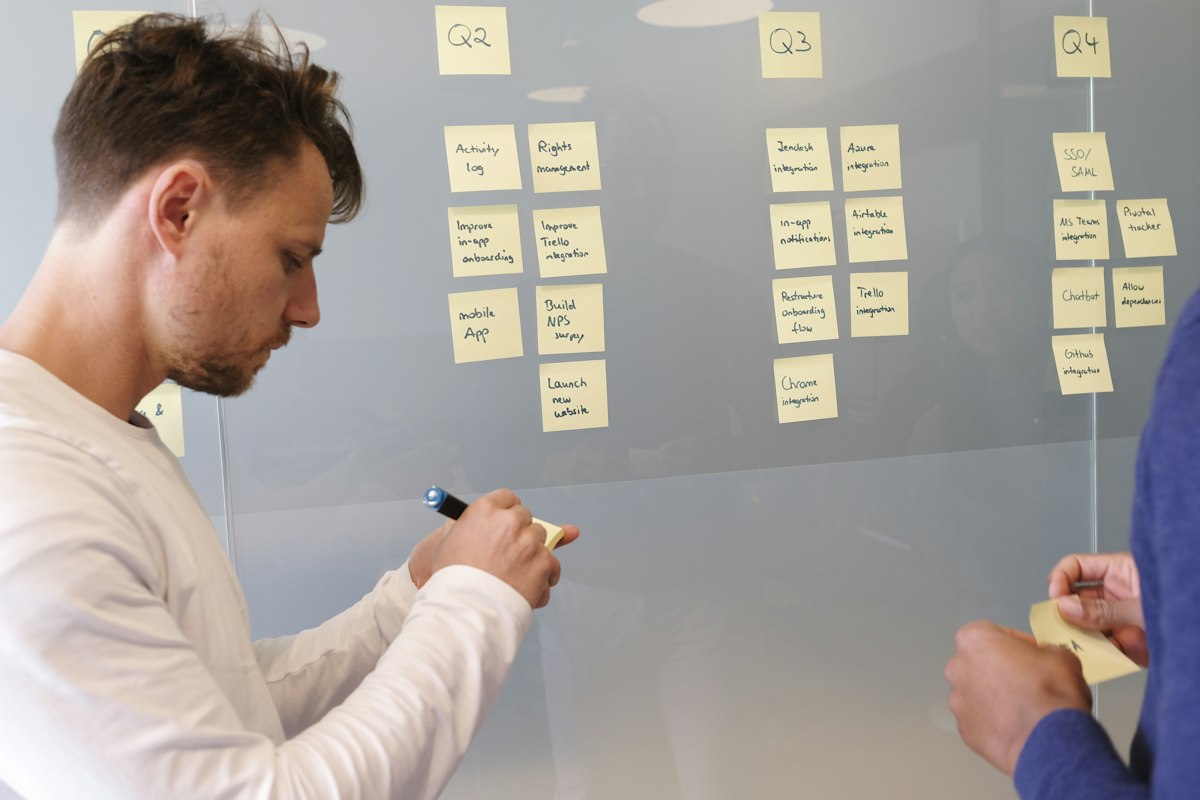
A man writing sticky notes on a quarterly planning board
SHow we spend time shapes what we notice.
01Structure

Structure the time, or the patterns will.

Without intentional structure, people fill time with the familiar: busyness, rivalry, games that feel productive but go nowhere. Structure gives attention and recognition where they are due.

LEADERS LEARN TO
  • Recognise the patterns that fill unstructured time
  • Use structure to keep attention on what matters
DRAWS ON
  • Transactional analysis
  • senseia Neuroscience 101
01 / 04
Colleagues in conversation, partly shown in thermal colour
TChange is technical. Transition is human.
02Transition

Help people let go, so they can move on.

New tools ask people to give up familiar ways of working, and sometimes part of how they see themselves. Leaders learn to name what is ending and to reframe the beliefs that make change feel like threat.

LEADERS LEARN TO
  • Name what people stand to lose
  • Reframe beliefs that keep people stuck
DRAWS ON
  • Bridges’ transition model
  • Storytelling linked to neuroscience
02 / 04
A man at work, partly shown in thermal colour
AAgency is the opposite of handing over judgement.
03Agency

Turn down the old scripts. Turn up the adult.

Under pressure we fall back on old roles: the critical parent, the compliant or rebellious child. Agency means noticing the pull and choosing a grounded, adult response, with people and with technology.

LEADERS LEARN TO
  • Notice when old roles are steering a decision
  • Make choices you can explain and stand behind
DRAWS ON
  • Transactional analysis
  • Psychodynamic communication tools
03 / 04
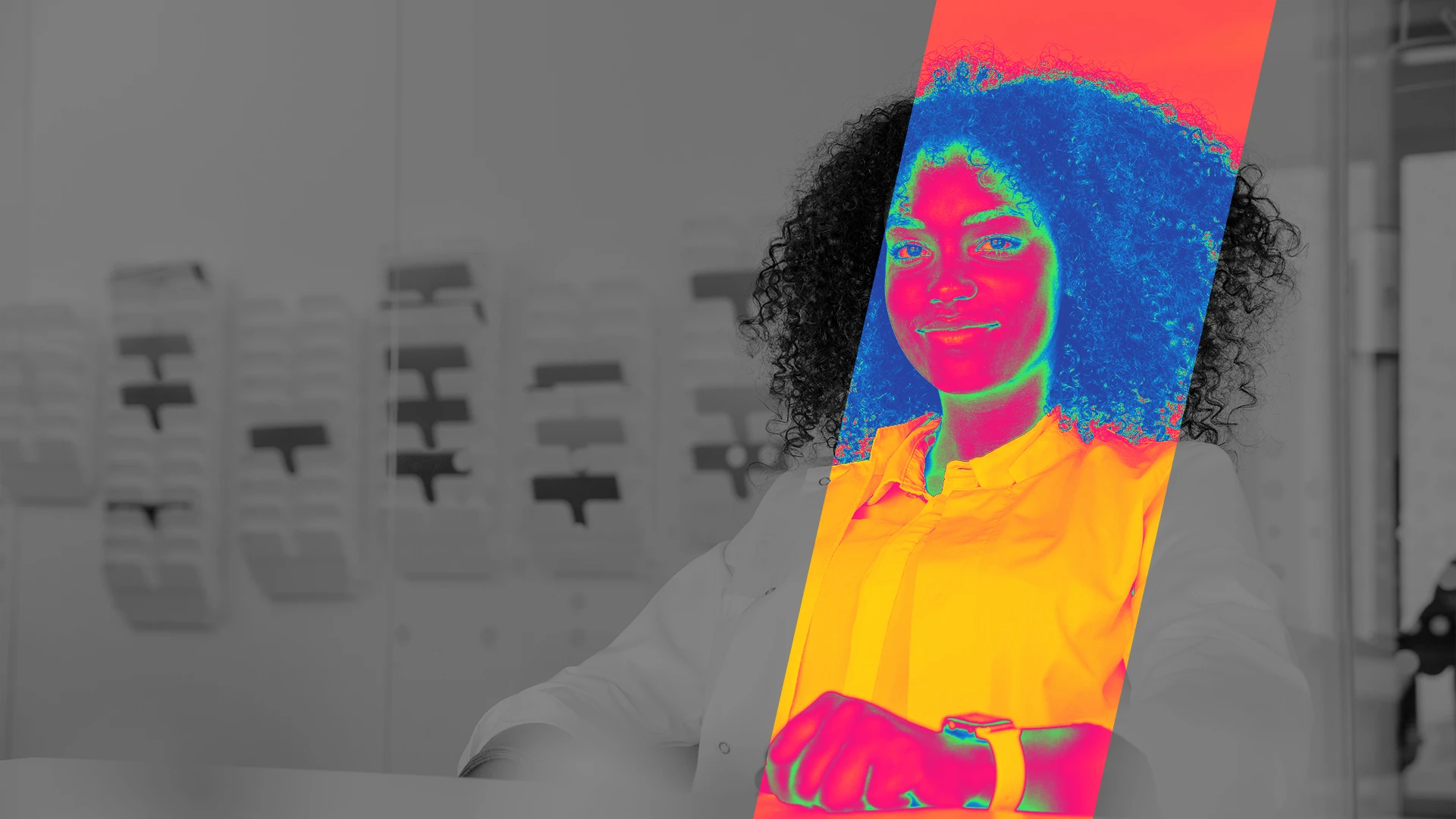
A woman smiling, partly shown in thermal colour
IImagination is where better options come from.
04Imagination

Imagine a different way forward.

When people feel safe, curiosity returns. Imagination lets teams picture a future they want to build, and use new tools in service of it rather than in fear of it.

LEADERS LEARN TO
  • Create the conditions for curiosity and play
  • Build options together, not just positions
DRAWS ON
  • Gestalt techniques
  • Solution-focused practice
04 / 04
OUR METHODOLOGY

Psychological insight,
for a technological age.

staihuman draws on transactional analysis, attachment theory and applied neuroscience, translated for working life. It gives people a shared language for the forces that shape their decisions, so they can talk about them, and change them.

Colleagues in a meeting

But why do we need to do all this?

Because technology changes faster than people do.

And this is why so many technology programmes deliver the tools but not the benefits. Leaders who understand the human side can close that gap.

The result: people who use AI well, and lead well alongside it.

What changes for your leaders, your teams and the people they serve.

01

Self-awareness

People understand what drives their own decisions, and what pulls them off course.

02

Steadier through change

Fears about roles and identity are named and worked with, not ignored.

03

Better judgement

Teams know when to rely on a tool and when to question it.

04

A shared language

A common framework for talking about human behaviour at work.

Who designed it

Built by people who study how humans decide.

Clinically groundedCreated by an accredited psychotherapist and coach, and developed from tools senseia has used with police services, fire and rescue services, councils, regulators and large private organisations.
Evidence basedGrounded in transactional analysis, attachment theory and current neuroscience, translated for working life.
13+ yearssenseia’s leadership and development programmes have been used across the public service sector, from local councils to emergency services, and with corporate clients.
Going further

Make it yours.

How staihuman flexes around your organisation, where it sits in the senseia suite, and a few common questions.

01Ways to take part+
  • BEFORELeadership briefingAn introduction to the framework for your senior team.
  • BEFOREListening firstConfidential conversations to understand how AI is landing with your people.
  • AFTERCoachingOne-to-one support to apply the framework to real decisions.
  • AFTERTrain the trainerYour own capability to carry the work forward.
02Other programmes+
03Common questions+
Is this a course about using AI tools?
No. It’s about the people using them: how they decide, what they fear and how they work together as the tools change.
Do I need a technical background?
No. The framework uses AI as a way into understanding human behaviour. No technical knowledge is needed.
Can individuals take part?
Yes. staihuman is available to organisations and to individuals. Individual booking details: to confirm
At a glance

Is staihuman right for your organisation?

The practical details, in one place.

A group of colleagues working together
Who it’s for
Leaders, teams and individuals working through AI-driven change, in public services and large organisations.
Not designed for
Technical AI training, or therapy and personal counselling.
Format
Self-paced online modules, plus live facilitated cohort sessions.
Duration
To confirm
Group size
Cohort size: to confirm
Foundation
senseia Neuroscience 101 and the staihuman framework. No prior knowledge needed.
Also available
Leadership briefings, coaching and train the trainer. See Make it yours.
Cost
By proposal for organisations. Individual pricing: to confirm
Start with a conversation

How is AI changing
the way your people work?

New tools. Old patterns. Uncertain roles. Let’s talk about what your people need.

Let’s talk about staihuman ↗

Prefer a form? Send us an enquiry